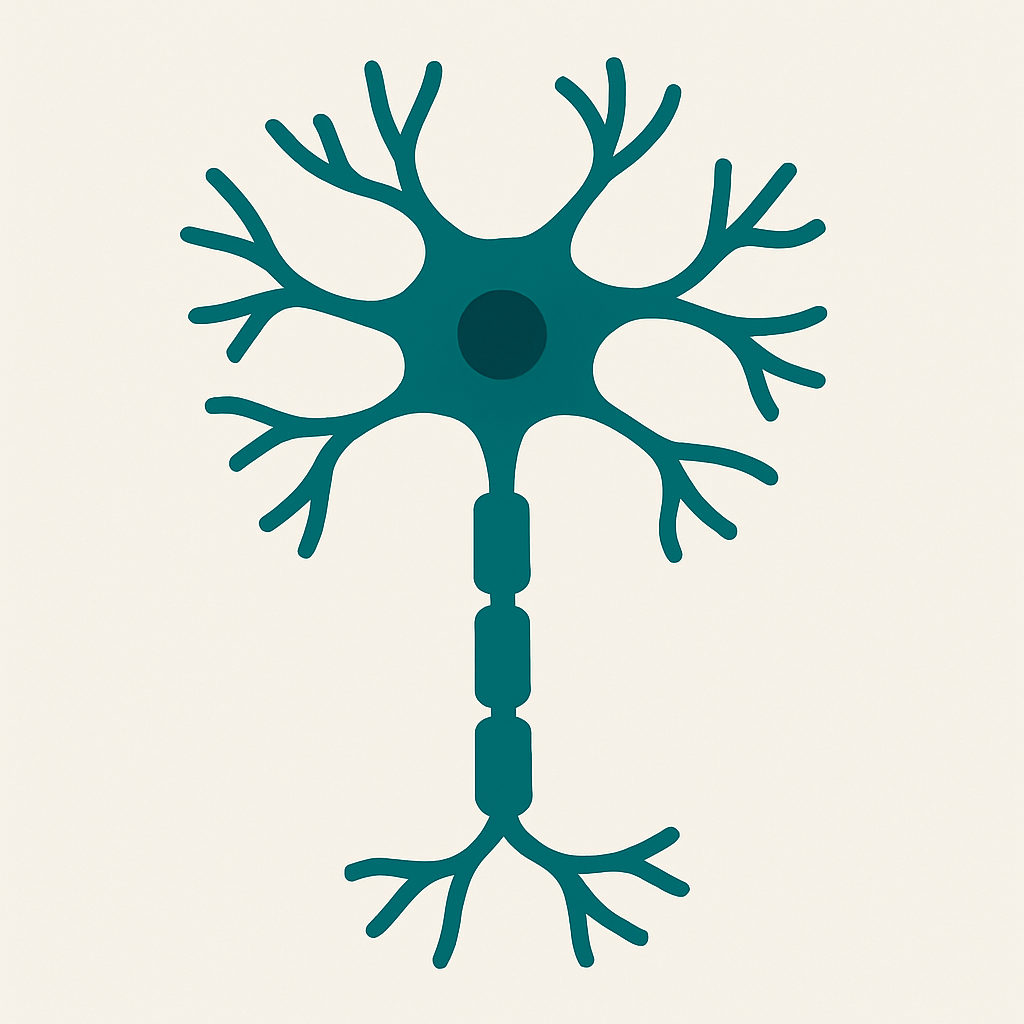
Understanding SFN
What is small fiber neuropathy (SFN)?
SFN is a nerve disorder that affects the small sensory and autonomic nerve fibers that help you feel temperature and pain and regulate functions like sweating, heart rate, and digestion. People often report burning, tingling, pins-and-needles, or temperature sensitivity—frequently in the feet and hands, but it can be more widespread.
How is SFN different from other neuropathies?
Unlike large-fiber neuropathy, SFN usually doesn’t affect strength, balance, or reflexes early on. That’s why tests like EMG/NCS can be normal. SFN focuses on pain, temperature sensation, and sometimes autonomic symptoms (for example, altered sweating or heart rate variability).
Is SFN dangerous or life‑threatening?
SFN is typically not life‑threatening, but symptoms can be very uncomfortable and impact quality of life. Autonomic involvement can occasionally cause troubling symptoms (like lightheadedness), which deserve evaluation. Work with a clinician to rule out underlying causes and to manage symptoms early.
Symptoms and Daily Life
What symptoms are most common?
Burning pain, pins‑and‑needles, electric shocks, cold or heat sensitivity, sunburn‑like skin discomfort, and allodynia (pain from light touch). Some people notice patchy areas. Autonomic symptoms can include dry eyes/mouth, abnormal sweating, lightheadedness, or GI changes.
Can symptoms come and go?
Yes—symptoms can fluctuate daily or seasonally and may flare with stress, illness, lack of sleep, certain medications, or temperature changes. Tracking triggers in a simple log can help you and your clinician fine‑tune management.
Does SFN cause weakness or balance problems?
SFN targets small fibers, so strength and reflexes are usually normal. Marked weakness, falls, or balance loss suggest large‑fiber involvement or another condition—contact your clinician if these occur.
What can I do day‑to‑day to feel better?
Prioritize sleep, gentle regular activity, stress reduction, and pacing (taking breaks before flares). Consider topical tools like lidocaine patches or creams with clinician guidance. Comfort clothing and temperature control often help.
Getting Diagnosed
How is SFN diagnosed?
Diagnosis uses your history and exam plus objective testing when needed. Common tests include a skin biopsy to measure intraepidermal nerve fiber density (IENFD), quantitative sensory testing (QST), and autonomic tests like QSART. EMG/NCS can be normal because they assess large fibers.
Do I need a skin biopsy? Is it painful?
Not everyone needs one, but biopsy is a widely accepted objective test for SFN. It’s a small sample of skin under local anesthetic—usually quick with minimal discomfort. Ask your clinician whether biopsy would change your care.
What blood work is typically done?
Doctors often screen for diabetes/prediabetes, B‑12 and other vitamin deficiencies, thyroid disease, autoimmune and inflammatory markers, paraproteins, infections when indicated, and celiac disease—because treating an underlying cause may improve symptoms.
Can my EMG/NCS be normal?
Yes. EMG/NCS evaluate large fibers. Many people with SFN have normal EMG/NCS results yet have clear small‑fiber symptoms and biopsy/autonomic test abnormalities.
Treatment and Relief
Is there a cure?
There isn’t a universal cure, but many people improve with time and treatment—especially if an underlying cause is identified and addressed. The goal is symptom control, function, and quality of life.
Which medications help with nerve pain?
Common first‑line options include gabapentin or pregabalin, SNRIs like duloxetine, and tricyclics such as nortriptyline or amitriptyline at low doses. Topicals like lidocaine patches or capsaicin can help localized pain. Medication choice and dose are individualized—work with your clinician to balance benefit and side effects.
When is IVIG considered?
IVIG is sometimes used for people with strong evidence of immune‑mediated SFN (for example, specific autoantibodies or other clinical indicators). It’s not a routine treatment for all SFN and typically requires specialist evaluation and insurance approval.
Do supplements help?
Some people discuss alpha‑lipoic acid, acetyl‑L‑carnitine, omega‑3s, vitamin D, B‑vitamins, magnesium, curcumin, or CoQ10 with their clinicians. Evidence varies. Always consult your doctor first to avoid interactions and to choose appropriate doses.
What non‑drug strategies are useful?
Sleep optimization, graded movement, physical therapy, mindfulness or CBT‑based tools, pacing, and trigger management are common pillars. Some find TENS or gentle heat/cold helpful with guidance.
Prognosis and Monitoring
Does SFN always get worse?
Not necessarily. Courses vary—some stabilize, some improve, and some progress. Treating underlying conditions (like diabetes or autoimmune disorders) and steady symptom management can make a meaningful difference.
Can nerves regrow?
Small nerve fibers can regenerate. Improvements may be gradual over months. Tracking symptoms and function over time can show trends even when day‑to‑day symptoms fluctuate.
How should I track progress?
Keep a simple log of pain levels, sleep, activity, flares, and any new symptoms. Note medication changes and responses. Bring this to appointments to guide decisions.
When to Seek Urgent Care
Which symptoms are red flags?
New or rapidly worsening weakness, trouble walking, falls, loss of bladder or bowel control, severe new back pain with weakness, chest pain, unusual shortness of breath, vision changes, or fainting deserve urgent evaluation. Call emergency services if you think you’re having an emergency.
Insurance and Practical Tips
Will insurance cover tests like a skin biopsy?
Coverage varies by plan and medical necessity. Your clinician’s documentation matters. If a claim is denied, ask about a prior authorization or appeal and provide supporting clinical notes.
How do I prepare for my first specialist visit?
Bring a symptom timeline, medication/supplement list, prior test results, and key questions (top 3). Consider a brief one‑page summary to save time. Ask about next steps and how to reach the office if symptoms change.
Can I get work or school accommodations?
Many benefit from flexible scheduling, remote options, ergonomic tools, or temperature control. Ask your clinician about documentation if needed.
This information is educational and not a substitute for medical advice. Always consult your healthcare provider for diagnosis and treatment.